

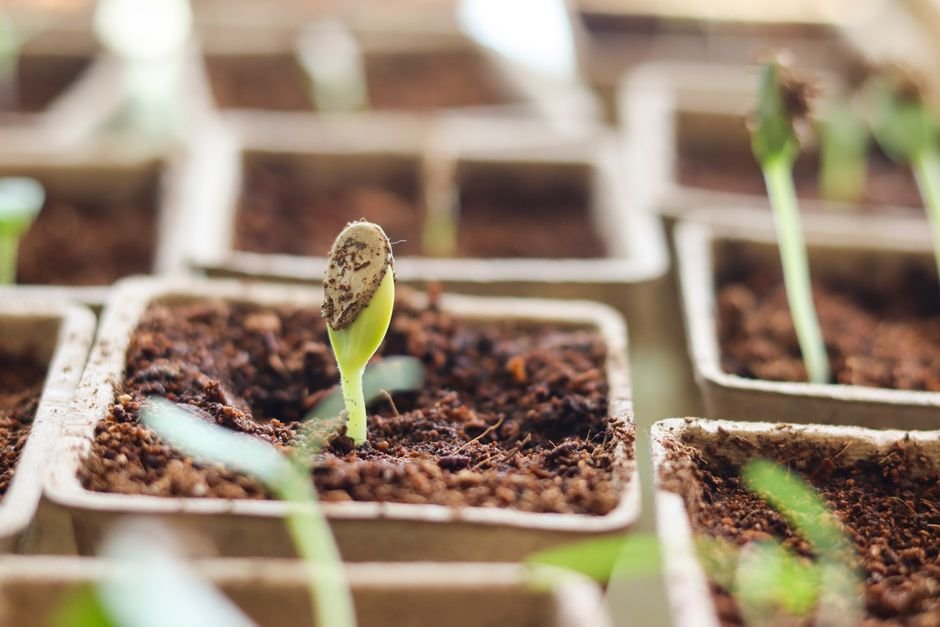
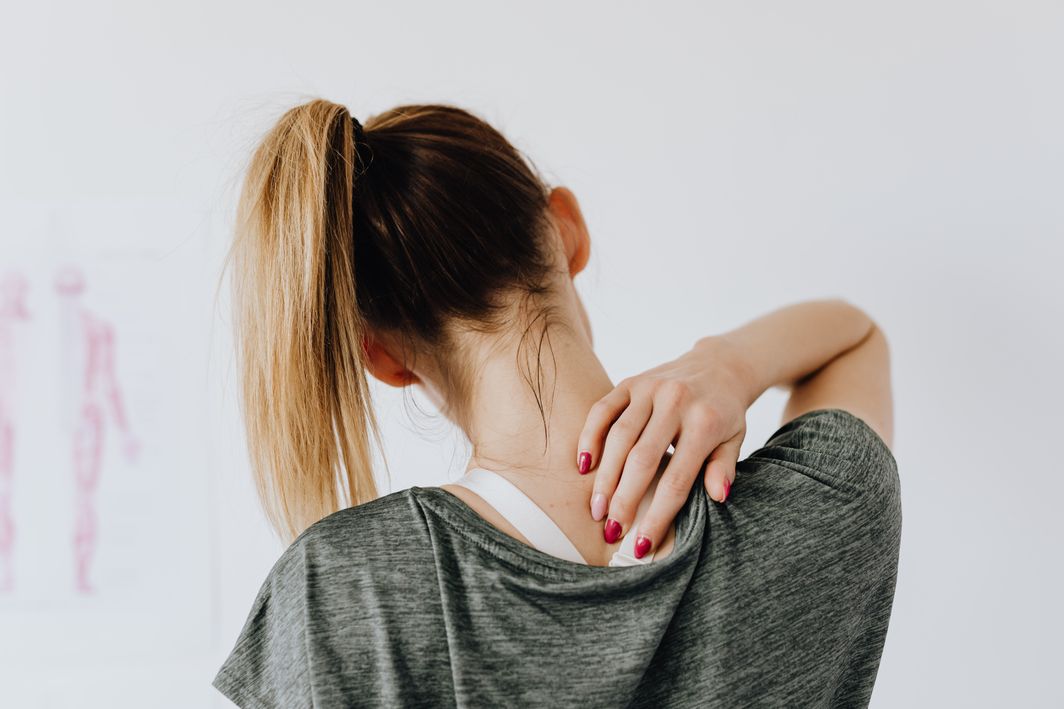

Hormonal imbalance affects a staggering number of women worldwide — from irregular periods and severe PMS to PCOS, perimenopause, endometriosis, and stubborn weight gain. While pharmaceutical interventions exist, many women are seeking gentler, more natural approaches to support their hormonal health. Enter seed cycling.
Seed cycling has exploded in popularity on social media, with #seedcycling generating millions of views on TikTok and Instagram. But beyond the trend, what does the science actually say? Does seed cycling genuinely support hormonal balance, or is it wishful thinking? This comprehensive guide explores everything you need to know.
What Is Seed Cycling?
Seed cycling is a food-based nutritional practice that involves consuming specific seeds at specific times of your menstrual cycle, with the goal of supporting the natural rise and fall of oestrogen and progesterone — your two primary female sex hormones.
The practice divides the menstrual cycle into two phases:
- Follicular Phase (Days 1–14): From the first day of menstruation to ovulation — the “oestrogen phase”
- Luteal Phase (Days 15–28): From ovulation to the start of the next period — the “progesterone phase”
Different seeds are consumed in each phase to provide specific lignans, fatty acids, and minerals that theoretically support the dominant hormone of that phase.
The Four Seeds and What They Do
Phase 1 Seeds (Days 1–14): Flaxseeds + Pumpkin Seeds
Flaxseeds (1 tablespoon ground daily)
Flaxseeds are the richest dietary source of lignans — plant compounds that act as phytoestrogens. Crucially, lignans do not simply raise oestrogen. They are oestrogen modulators: if oestrogen is too low, lignans can weakly activate oestrogen receptors; if oestrogen is too high (oestrogen dominance), lignans can block more potent oestrogens from binding to receptors. They are also rich in omega-3 alpha-linolenic acid (ALA), which reduces inflammation.
Pumpkin Seeds (1 tablespoon daily)
Rich in zinc, which is essential for progesterone production (relevant for the upcoming luteal phase). Also contain tryptophan (a serotonin precursor) and iron (important during menstruation).
Phase 2 Seeds (Days 15–28): Sesame Seeds + Sunflower Seeds
Sesame Seeds (1 tablespoon daily)
Also rich in lignans (sesamin and sesamolin), which support progesterone production and help regulate oestrogen in the second half of the cycle. High in calcium and magnesium — important minerals for reducing PMS symptoms.
Sunflower Seeds (1 tablespoon daily)
Exceptionally rich in vitamin E (one tablespoon provides 37% of the daily value) and selenium. Vitamin E is a key nutrient for progesterone production and has been shown to reduce PMS symptoms including breast tenderness. Selenium supports healthy thyroid function, which is closely linked to progesterone levels.
What Does the Science Say About Seed Cycling?
Here is where honesty matters: direct clinical trials on seed cycling as a protocol are limited. There are no large randomised controlled trials specifically studying the “seed cycling” practice as a whole. This is an important caveat.
However, there is substantial evidence supporting the individual components:
- A 2007 study in the Journal of Clinical Endocrinology and Metabolism found that flaxseed supplementation (10g/day) significantly lengthened the luteal phase and improved the progesterone-to-oestrogen ratio in premenopausal women.
- Multiple studies confirm that lignan-rich diets are associated with reduced oestrogen dominance and lower rates of oestrogen-sensitive cancers.
- Clinical research supports zinc’s role in progesterone production and ovarian function.
- Vitamin E supplementation has demonstrated significant reductions in PMS symptoms in multiple trials.
- Omega-3 fatty acids from flaxseed and pumpkin seeds have well-documented anti-inflammatory and prostaglandin-modulating effects that can reduce menstrual cramp severity.
The honest scientific assessment: seed cycling likely provides real but modest hormonal support through well-evidenced nutritional pathways. It is not a miracle cure, but it is a genuinely intelligent nutritional strategy backed by the research on its individual components.
Who May Benefit Most from Seed Cycling?
- Women with irregular or absent periods (amenorrhea)
- Those experiencing PMS or PMDD (premenstrual dysphoric disorder)
- Women with oestrogen dominance (heavy periods, bloating, mood swings, fibrocystic breasts)
- Women with PCOS — particularly where hormonal dysregulation is a component
- Those in perimenopause navigating fluctuating hormone levels
- Women who have come off hormonal contraceptives and are trying to restore natural cycle regularity
For a broader overview of holistic approaches to women’s health, explore our guide on ashwagandha benefits for women.
How to Do Seed Cycling: Step-by-Step
Step 1: Know Your Cycle Phase
Track your cycle using a period tracking app (Clue, Flo, Natural Cycles) or simply mark Day 1 as the first day of your period.
Step 2: Prepare Your Seeds Correctly
Grind flaxseeds — whole flaxseeds pass through the digestive system largely undigested. A coffee grinder works perfectly. Grind small batches and store in the fridge for up to a week. All other seeds can be eaten whole or ground.
Step 3: Daily Amounts
- Phase 1 (Days 1–14): 1 tablespoon ground flaxseeds + 1 tablespoon pumpkin seeds
- Phase 2 (Days 15–28): 1 tablespoon sesame seeds + 1 tablespoon sunflower seeds
Step 4: Easy Ways to Include Seeds Daily
- Blend into a morning smoothie
- Stir into yogurt or oatmeal
- Sprinkle over salads or soups
- Add to homemade energy balls
- Mix into pesto or salad dressings
Step 5: Commit to 3 Months
Hormonal changes take time. Most practitioners recommend committing to seed cycling consistently for at least 3 full menstrual cycles before evaluating results.
Seed Cycling for Irregular Periods and Post-Pill
If your cycle is currently irregular or absent, seed cycling by calendar is suggested: follow a 28-day cycle regardless of bleeding — Phase 1 from Day 1–14, Phase 2 from Day 15–28. Over time, many women report their natural cycle gradually synchronising.
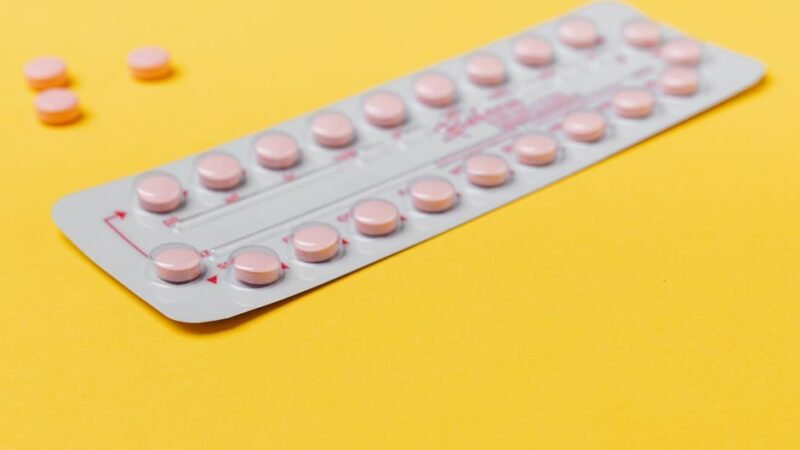
After stopping hormonal contraceptives, the body can take 3–12 months to restore natural ovulation. Seed cycling, combined with good nutrition and stress management (see our guide on holistic health), can support this transition.
Seed Cycling Meal Ideas
Phase 1 Breakfast: Banana-spinach smoothie with 1 tbsp ground flaxseed, 1 tbsp pumpkin seeds, almond milk, and frozen mango
Phase 1 Snack: Apple with pumpkin seed butter
Phase 2 Breakfast: Greek yogurt with 1 tbsp sesame seeds, 1 tbsp sunflower seeds, and honey
Phase 2 Snack: Celery with tahini (sesame paste)
Is Seed Cycling Safe?
Seed cycling is extremely safe for most women. Seeds are whole foods with well-established nutritional profiles. There are no significant safety concerns at the recommended quantities (1 tablespoon of each per day).
Precautions to note:
- Women with seed allergies should obviously avoid the relevant seeds
- Those with hormone-sensitive cancers should discuss phytoestrogen-containing foods with their oncologist before starting
- Flaxseeds can have a mild laxative effect — increase gradually if you are new to high-fibre foods
Frequently Asked Questions
How long does seed cycling take to work?
Most women begin noticing changes (improved PMS, more regular cycles, reduced cramping) within 2–3 months of consistent practice. Some notice subtle changes within the first cycle.
Can seed cycling help with PCOS?
Seed cycling may offer modest support for PCOS by modulating oestrogen-to-progesterone ratios and reducing inflammation. It is not a replacement for medical management but can be a valuable complementary practice.
Can men do seed cycling?
The protocol is designed specifically for the female hormonal cycle. However, the seeds themselves (flax, pumpkin, sesame, sunflower) are nutritious for everyone. Some practitioners suggest a simplified men’s seed rotation for general hormonal support.
Do I need to use organic seeds?
Organic is preferable (particularly for flaxseeds and sunflower seeds, which can accumulate pesticides) but not strictly necessary. Any high-quality, fresh seeds will provide benefits.
Conclusion
Seed cycling is a gentle, food-first approach to hormonal balance that is supported by real nutritional science, even if the specific protocol has not yet been studied in large clinical trials. For women seeking natural support for PMS, irregular cycles, PCOS, or perimenopausal symptoms, it is one of the lowest-risk, highest-potential nutritional strategies available.
Combined with stress management, good sleep, an anti-inflammatory diet, and appropriate professional medical care, seed cycling can be a genuinely meaningful addition to a woman’s health toolkit.
Subscribe Free →
Not sure exactly how far along you are?
Use our free due date calculator to find your current week, trimester, and days to go.
Calculate My Due Date →

Leave a Reply