

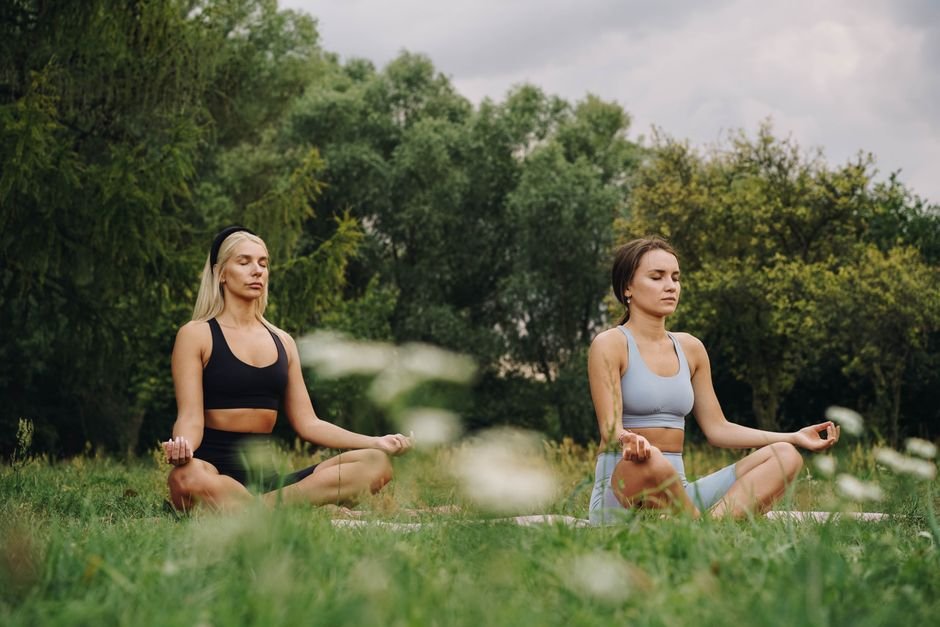


Your breath is the only fully autonomous physiological function over which you have direct voluntary control — and that extraordinary biological fact gives you a back door into your own nervous system. When you consciously alter your breathing pattern, you directly alter your heart rate, blood pressure, cortisol levels, brain wave activity, and emotional state.
This is not mysticism — it is basic autonomic physiology. And in 2026, breathwork has moved from yoga studios and meditation retreats to hospital anxiety clinics, Olympic training rooms, and corporate boardrooms because the science behind it is increasingly compelling.
The Physiology: Why Breathing Controls Anxiety
The autonomic nervous system has two branches: the sympathetic (fight-or-flight) and the parasympathetic (rest-and-digest). Anxiety is a state of sympathetic dominance — elevated cortisol, adrenaline, heart rate, and muscle tension. Breathing is the fastest way to shift this balance because of a direct link between breathing mechanics and the vagus nerve. Longer, slower exhales activate the vagus nerve and parasympathetic system. Shorter, faster breathing activates the sympathetic system. Mastering this mechanism gives you an always-available, zero-cost anxiety management tool.
Technique 1: Physiological Sigh (Fastest Acting)
Popularised by Stanford neuroscientist Dr. Andrew Huberman, the physiological sigh is the single fastest way to reduce acute anxiety and stress. How to do it: Inhale through the nose once (fill the lungs), then take a second short inhale through the nose to fully inflate the lungs to maximum capacity. Then release with a long, slow exhale through the mouth. Repeat 1–3 times. Why it works: The double inhale re-inflates collapsed alveoli (small air sacs in the lungs) that accumulate during stress-induced shallow breathing, and the extended exhale activates the parasympathetic system via the vagus nerve. Research shows this technique produces the fastest heart rate deceleration of any breathing pattern studied. Use it during acute anxiety, panic, or before stressful situations.
Technique 2: Box Breathing (4-4-4-4)
Used by US Navy SEALs to maintain calm under extreme operational stress. How to do it: Inhale for 4 counts. Hold for 4 counts. Exhale for 4 counts. Hold for 4 counts. Repeat for 4–8 cycles. Best for: Pre-performance anxiety, before high-stakes situations, during panic attacks. Box breathing equalises sympathetic and parasympathetic activity, producing a state of calm alertness rather than either sleepy relaxation or anxious arousal.
Technique 3: 4-7-8 Breathing (For Sleep Onset)
Developed by Dr. Andrew Weil, the 4-7-8 technique is particularly effective for anxiety at bedtime and for racing thoughts. How to do it: Inhale through the nose for 4 counts. Hold for 7 counts. Exhale slowly through the mouth for 8 counts. Repeat 4 cycles. Why it works: The extended hold activates the vagus nerve through elevated CO2. The 8-count exhale produces a strong parasympathetic shift. Many people report falling asleep during or shortly after this practice.
Technique 4: Resonance Breathing (5.5 Breaths Per Minute)
Research from the HeartMath Institute identifies 5.5 breaths per minute (inhale 5.5 seconds, exhale 5.5 seconds) as the resonant frequency of the cardiorespiratory system — the rate that produces maximum heart rate variability (HRV) and optimal vagal tone. Regular practice of resonance breathing (5–20 minutes daily) has shown clinical-grade effects on anxiety, depression, PTSD, and hypertension. It is increasingly used in anxiety therapy as a biofeedback tool.
Technique 5: Extended Exhale Breathing (Best for Ongoing Anxiety)
Simply making your exhale longer than your inhale activates the parasympathetic system. A simple ratio: inhale 4 counts, exhale 6–8 counts. This is the most sustainable practice for all-day anxiety management — you can do it silently at your desk, in a meeting, or on public transport with no special equipment or obvious behaviour change. Use it consistently throughout any anxious day.
Technique 6: Alternate Nostril Breathing (Nadi Shodhana)
This traditional pranayama technique has robust modern science supporting its effects on anxiety, blood pressure, and cognitive performance. How to do it: Close the right nostril with your right thumb. Inhale slowly through the left nostril. Close the left nostril with your right ring finger and release the right nostril. Exhale through the right nostril. Inhale through the right nostril. Close right, release left. Exhale through the left. This is one complete cycle — continue for 5–10 minutes. Multiple studies show significant reductions in anxiety, heart rate, and blood pressure after a single session of alternate nostril breathing.
Building a Daily Breathwork Practice
For anxiety management, a daily practice of 5–15 minutes produces cumulative nervous system benefits over weeks: Morning: 5 minutes of resonance breathing (5.5 breaths/min) to start the day in a parasympathetically balanced state. Stressful moments: Physiological sigh (1–3 repetitions) — immediate relief. Before bed: 4–8 cycles of 4-7-8 breathing for sleep onset. Breathwork pairs powerfully with our somatic exercises guide and sleep syncing protocol.
Frequently Asked Questions
Can breathwork replace anxiety medication?
Breathwork is a powerful complementary practice but is not a replacement for evidence-based anxiety treatment (therapy and/or medication) in moderate-to-severe cases. For mild anxiety and stress management, breathwork can be highly effective as a primary tool. Always consult a qualified mental health professional for significant anxiety disorders.
Is there any risk to breathwork?
Most breathwork techniques described here are safe for healthy individuals. Hyperventilation-style breathwork (Wim Hof, holotropic breathing) carries risks including lightheadedness and, rarely, loss of consciousness — never practise these techniques while in water or driving. The calming techniques described in this guide are safe for general use.
Conclusion
Your breath is always with you — and with the right techniques, it is one of the most powerful tools you have for managing anxiety, regulating your nervous system, and improving your mental health in real time. Start with the physiological sigh for immediate relief and resonance breathing for daily maintenance. These techniques take minutes to learn, cost nothing to use, and have science firmly behind them.
Subscribe Free →



Leave a Reply