Skip to content
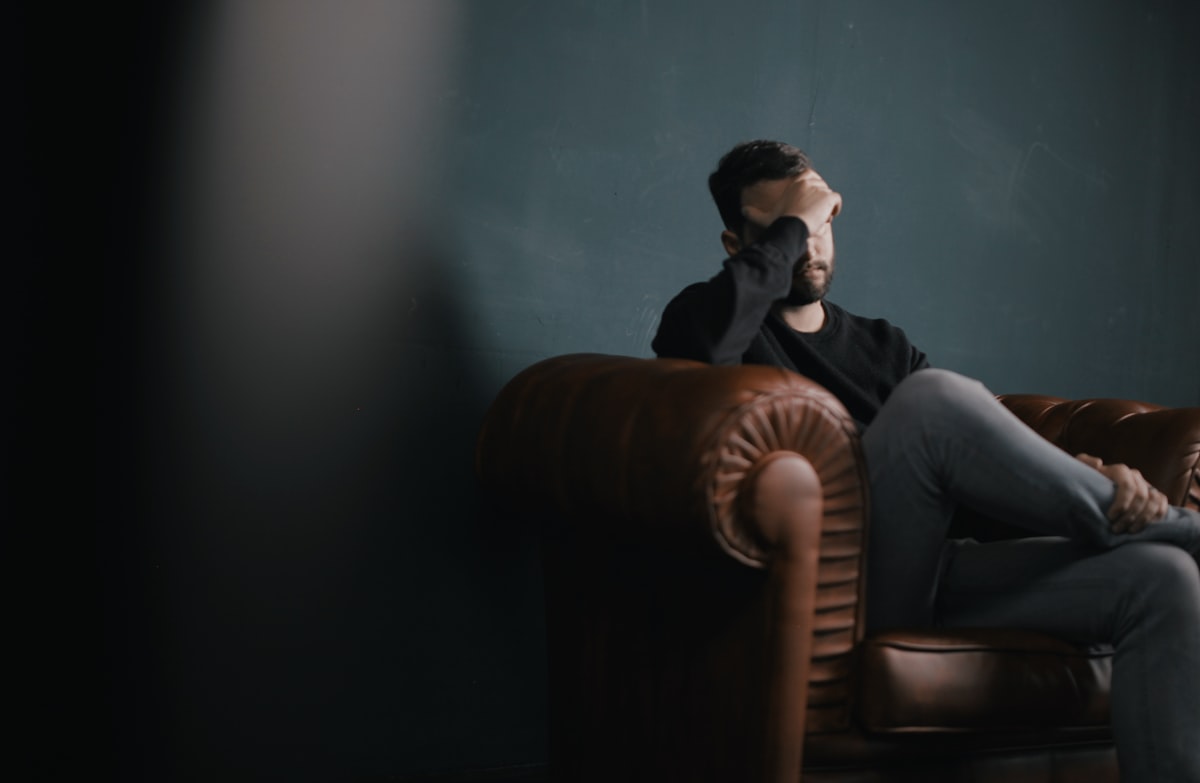

Burnout is not just extreme tiredness — it is a specific physiological state of chronic HPA axis dysfunction, autonomic nervous system dysregulation, and often mitochondrial depletion. The WHO officially classified burnout as an occupational phenomenon in ICD-11 in 2019. Recovery from true burnout is not achieved by taking a long weekend — it requires deliberate, systematic restoration across multiple physiological systems.
Key Signs and Symptoms
- Extreme fatigue not relieved by rest
- Cognitive dysfunction (brain fog, memory problems, decision fatigue)
- Emotional exhaustion and detachment
- Reduced sense of personal accomplishment
- Physical symptoms: digestive issues, headaches, susceptibility to illness
- Disrupted sleep despite exhaustion
- Loss of motivation and enjoyment for previously rewarding activities
- Heightened anxiety or emotional reactivity
Evidence-Based Strategies
- Step 1 — Remove the stressor (or reduce exposure): Burnout cannot begin to resolve while the primary stressor remains at full intensity; this may require difficult professional or personal changes
- Step 2 — Prioritise sleep above all else: Sleep is the primary HPA axis reset mechanism; follow the sleep syncing protocol (ashwagandha for stress) to maximise restorative sleep architecture
- Step 3 — Reduce exercise intensity temporarily: during burnout recovery, high-intensity exercise worsens HPA axis dysregulation; replace HIIT with Zone 2 walks and gentle yoga
- Step 4 — Address nutrition: cortisol-supporting foods: protein at every meal, adequate carbohydrates (low-carb diets worsen cortisol in burnout), magnesium-rich foods, vitamin C
- Step 5 — Ashwagandha (KSM-66): the most evidence-backed adaptogen for HPA axis recovery — see sleep syncing guide
- Step 6 — Breathwork daily: 15-20 minutes of resonance breathing activates vagal tone and parasympathetic recovery
- Step 7 — Social connection: isolation worsens burnout; warm social interaction elevates oxytocin and reduces cortisol
- Step 8 — Reduce digital stimulation: constant news, social media, and information input maintains sympathetic arousal; implement digital curfews
- Step 9 — Nature exposure: 20 minutes outdoors daily measurably lowers cortisol
- Step 10 — Professional support: therapy (particularly ACT or CBT for burnout), occupational health support, and/or physician guidance may be necessary for severe burnout
The Bottom Line
Understanding and addressing burnout recovery requires a comprehensive, evidence-based approach that combines dietary optimisation, targeted supplementation, lifestyle changes, and appropriate medical care. The strategies outlined here represent the current best evidence — always individualise your approach and work with healthcare professionals for personalised guidance.