

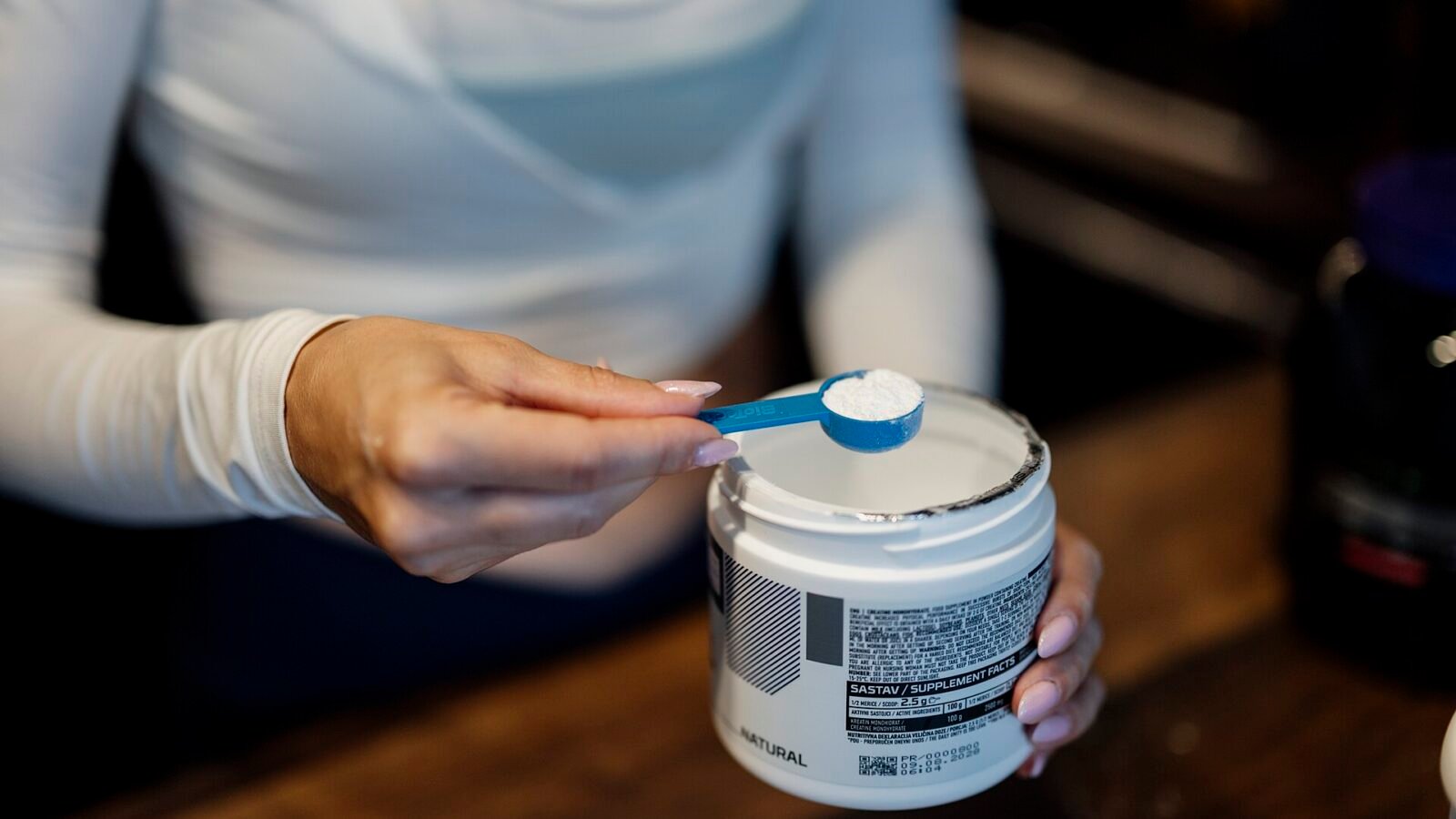
Protein coffee (often called “proffee”) is simply coffee with a source of protein added, usually a scoop of whey or plant protein powder. It can add 20–30 grams of protein to your day, but it is not a magic fat-burning drink and it does not replace a balanced meal. The evidence supports protein for satiety and muscle maintenance, while the caffeine and protein combination itself is still only lightly studied.
Walk through any gym or Indian metro commute and you will see people shaking protein into iced coffee. The trend spread on social media as a low-calorie way to start the day. Some of that is reasonable; some is marketing dressed up as science.
This guide explains what proffee actually is, how much protein it can realistically add, what research says about protein timing and appetite, and the real risks, including acidity, caffeine load, ultra-processed powders and kidney concerns. It also covers who should be cautious and practical ways to build the drink, including cheaper alternatives that fit an Indian vegetarian kitchen.
Medical Disclaimer: This article is for informational and educational purposes only and does not constitute medical advice. Always consult a qualified healthcare professional before making changes to your diet, supplements, exercise or treatment plan.
What Is Protein Coffee (Proffee)?
Protein coffee is any drink that combines brewed coffee, espresso or cold brew with a protein source. The most common version stirs a scoop of protein powder into hot or iced coffee. Ready-to-drink “protein latte” cartons and coffee-flavoured protein shakes are the packaged version of the same idea.
Black coffee on its own contains almost no protein, roughly 0.1–0.3 grams per cup. So the protein in proffee comes entirely from whatever you add. That could be whey concentrate or isolate, casein, soy, pea or a blended plant powder. Some people instead use Greek yogurt, milk, paneer or a high-protein milk to add a smaller amount.
The appeal is convenience: it folds a protein serving into an existing habit, usually with fewer calories than a sugary cafe frappe. Anything beyond that, such as claims that it “melts belly fat”, outruns the evidence.
How Much Protein Does It Actually Add?
A standard scoop of whey or plant protein delivers about 20–25 grams of protein. A rounded scoop of a mass-gainer style powder can be higher but usually brings extra sugar and calories. The table below shows what typical additions contribute.
| Addition to coffee | Typical protein | Notes |
|---|---|---|
| Whey isolate, 1 scoop (~30 g) | 23–27 g | Fastest to mix, low lactose in isolate |
| Plant blend, 1 scoop | 18–25 g | Check for added sugar and gums |
| Greek yogurt, 100 g | 9–10 g | Thickens an iced coffee well |
| Paneer, 50 g blended | 9–10 g | Works in a cold coffee shake |
| Toned milk, 200 ml | 6–7 g | Adds lactose and some calories |
| Black coffee alone | ~0 g | Negligible |
Whether that protein is “better” than the same protein from dal, eggs, curd, paneer or chicken is a different question. Whole foods bring fibre, vitamins and minerals that a powder does not. Powder is a convenience tool, not a superior food.
What the Research Says About Protein, Satiety and Timing
Three separate strands of research matter here, and they should not be blurred together.
First, protein is the most satiating macronutrient for many people. Reviews of controlled feeding studies suggest that higher-protein meals can increase fullness and modestly reduce later calorie intake compared with similar-calorie meals that are higher in refined carbohydrate or fat. That is a general finding about protein, not about coffee specifically. If proffee replaces a sugary, low-protein breakfast, the satiety benefit probably comes from the swap.
Second, total daily protein intake matters more than minute-by-minute timing for most health goals. Research on protein timing, muscle growth and fat loss indicates that spreading protein across the day is sensible, but missing a precise “anabolic window” is not a disaster. A proffee at 8 a.m. counts toward the day like any other protein meal.
Third, caffeine has small, short-lived effects on energy expenditure and appetite. It can slightly raise resting metabolic rate for a few hours and temporarily reduce appetite in some people, but these effects are modest, vary between individuals and fade with regular use. No credible evidence suggests that adding protein to coffee produces a unique fat-burning effect.
What is genuinely under-studied is the combination. Few controlled trials have tested protein coffee as a distinct intervention on weight, body composition or appetite. So the reasonable position is that it works mainly by helping you hit a protein target and by replacing a worse breakfast, not by any special synergy.
Fibre is the missing piece in many proffee routines. Coffee and protein powder are both low in fibre, so a drink-only breakfast can leave you short. Pairing it with fruit, oats, or seeds, and following a higher-fibre eating pattern, matters more than the coffee itself.
Risks and Limitations
Proffee is not dangerous for most healthy adults, but several real limitations deserve attention.
- Acidity and reflux. Coffee is acidic and can relax the lower oesophageal sphincter in some people, worsening heartburn. Adding protein powder does not neutralise that. If you already have reflux, proffee may be a trigger.
- Caffeine load. Health authorities generally advise healthy adults to keep caffeine under about 400 mg a day, and under 200 mg during pregnancy. A large home brew plus a pre-workout or afternoon coffee can push you over without you noticing.
- Ultra-processed powders. Many protein powders contain sweeteners, thickeners, emulsifiers and flavourings. Some independent testing has flagged heavy-metal contamination in a subset of products, which is why third-party testing matters. This is not a reason to avoid all powders, but it is a reason to choose carefully and not treat them as a whole food.
- Hidden calories. Flavoured syrups, full-fat cream, sugar and “coffee creamer” can turn a 120-calorie drink into a 400-calorie dessert. That can quietly erase a calorie deficit.
- Kidney concerns. In people with healthy kidneys, higher protein intakes within normal ranges have not been shown to cause kidney damage. In people who already have chronic kidney disease, protein and certain electrolytes may need to be restricted, so this is a medical decision, not a lifestyle one.
- Masking a poor diet. If proffee replaces breakfast and nothing else improves, you may get more protein but less fibre, fewer micronutrients and the same late-day overeating.
Practical Recipes and Indian Alternatives
You do not need imported whey to make a high-protein coffee. Here are options at different budgets and diets.
- Classic iced proffee. 150 ml cold brew or strong black coffee, 150 ml milk, one scoop whey, ice. Blend or shake. About 25–30 g protein.
- Curd cold coffee. Blend 150 g thick curd or Greek yogurt with 100 ml chilled coffee, a little milk and a date or two. About 12–15 g protein, plus probiotics.
- Paneer cold coffee shake. Blend 50 g paneer with 200 ml milk, 2 tsp coffee and a pinch of cardamom. About 15–17 g protein and good for vegetarians who avoid powder.
- Sattu-coffee cooler. Mix 2 tbsp roasted gram (sattu) flour into 200 ml water or milk, add 1 tsp instant coffee and chaat masala. About 8–10 g protein and high in fibre for very little cost.
- Plant-based option. Soy milk plus a pea-rice blend powder gives a dairy-free version at roughly 20–25 g protein.
Cost matters in the Indian context: a branded whey scoop often costs two to three times as much per gram of protein as eggs, dal, chana, curd or paneer. If budget is tight, use proffee occasionally and build most meals around affordable protein, as shown in our guide to high-protein vegetarian meals with 25 g or more per recipe.
Who Should Be Cautious
- People with chronic kidney disease or a history of kidney stones, who should discuss protein and fluid intake with their doctor.
- People with GERD, acid reflux, gastritis or peptic ulcers, for whom coffee may worsen symptoms.
- People sensitive to caffeine, including those with anxiety, palpitations, insomnia or migraine triggered by caffeine.
- Pregnant and breastfeeding women, who are generally advised to limit caffeine to about 200 mg a day and should check any supplement with their clinician.
- People with lactose intolerance, who may tolerate whey isolate better than concentrate but should watch symptoms.
- People with irritable bowel syndrome, since some sweeteners and thickeners in powders can trigger bloating.
- Children and adolescents, who should not routinely use caffeinated protein drinks.
If you take medication for blood pressure, thyroid function, diabetes or blood thinners, ask a pharmacist or doctor about interactions with high-dose caffeine, since absorption of some drugs can be affected.
When to Seek Professional Medical Advice
Talk to a doctor or dietitian if you develop persistent heartburn, abdominal pain, palpitations, sleep problems, or swelling and reduced urine output after starting proffee. Seek care promptly if you have known kidney disease and notice changes in blood test results, or if you are pregnant and unsure how much caffeine is safe for you.
A registered dietitian can also help if your goal is fat loss or muscle gain and you are unsure whether protein coffee is actually helping. They can calculate your protein target, review your full diet and flag whether a powder is even necessary.
Frequently Asked Questions
Is protein coffee actually good for weight loss?
It can help indirectly. Protein supports fullness and muscle maintenance, and replacing a sugary coffee drink with proffee cuts calories. But there is no strong evidence that the protein-plus-coffee combination burns fat on its own. Weight loss still depends on your overall calorie balance.
How much protein should I put in my coffee?
A typical scoop provides 20–25 grams, which is a reasonable single serving for most adults. Larger amounts are not harmful for healthy people but offer no extra benefit per sitting and may cause bloating.
Can I drink protein coffee every day?
Most healthy adults can, provided total caffeine stays under about 400 mg a day and the rest of the diet is balanced. Rotate in whole-food protein sources so you are not relying on powder for most of your intake.
Does hot coffee destroy protein powder?
Heat changes the texture and can make powder clump, but it does not meaningfully destroy the protein’s nutritional value. For a smoother drink, use warm rather than boiling liquid, or go iced.
Is plant protein as good as whey in coffee?
Both can support muscle when total protein and leucine are adequate. Pea-rice blends come close to whey. Plant powders sometimes taste chalkier in coffee, so try a small pack first.
Can protein coffee cause kidney damage?
In people with healthy kidneys, normal-to-moderate protein intakes have not been shown to cause kidney damage. People with existing chronic kidney disease may need to limit protein, so this needs medical guidance.
What is a cheap Indian alternative to whey proffee?
Curd, paneer, milk, sattu and roasted chana all add protein at a lower cost per gram. A curd cold coffee or sattu cooler is a practical everyday option; reserve powder for days you cannot hit your target with food.
References
- World Health Organization. “Healthy diet.” WHO Fact Sheet, 2024. https://www.who.int/news-room/fact-sheets/detail/healthy-diet
- National Institutes of Health, Office of Dietary Supplements. “Exercise and Athletic Performance.” https://ods.od.nih.gov/factsheets/ExerciseAndAthleticPerformance-Consumer/
- U.S. Food and Drug Administration. “Spilling the Beans: How Much Caffeine Is Too Much?” https://www.fda.gov/consumers/consumer-updates/spilling-beans-how-much-caffeine-too-much
- National Institute of Diabetes and Digestive and Kidney Diseases. “Chronic Kidney Disease.” https://www.niddk.nih.gov/health-information/kidney-disease/chronic-kidney-disease-ckd
- Schoenfeld BJ, Aragon AA, Krieger JW. “The effect of protein timing on muscle strength and hypertrophy: a meta-analysis.” Journal of the International Society of Sports Nutrition, 2013. https://pubmed.ncbi.nlm.nih.gov/24299050/
- Paddon-Jones D, Westman E, Mattes RD, et al. “Protein, weight management, and satiety.” American Journal of Clinical Nutrition, 2008. https://pubmed.ncbi.nlm.nih.gov/18469287/
Related Reading:
Leave a Reply