


📋 Table of Contents
Scroll through sleep-focused content online for more than a few minutes and you’ll likely encounter it: a strip of tape placed over the lips before bed, promoted as a simple fix for snoring, mouth breathing, and even sleep apnea. Mouth taping has become one of the most recognizable sleep trends of the past several years. But a closer look at the actual clinical research tells a considerably more cautious story than the trend’s popularity suggests.
What Is Mouth Taping?
Mouth taping involves placing a piece of specially designed, skin-safe porous tape over the lips before sleep, with the goal of preventing the mouth from opening and forcing nasal breathing throughout the night. Advocates claim this improves sleep quality, reduces snoring, decreases dry mouth, and may offer broader health benefits tied to nasal versus mouth breathing. Products range from a small vertical strip placed over the center of the lips to a wider patch covering the entire mouth, with the vertical strip version generally considered the gentler and more commonly recommended starting option among the products currently marketed for this purpose.
The Claimed Benefits
The case for nasal breathing itself, separate from taping specifically, has some genuine support. Breathing through the nose filters, warms, and humidifies air before it reaches the lungs, and nasal breathing produces nitric oxide that isn’t generated through mouth breathing, which may have some circulatory benefits. Chronic mouth breathing during sleep is also associated with dry mouth, which raises the risk of dental problems including cavities and gum disease, an association with reasonably solid dental research behind it. The leap that trend proponents make is that taping the mouth shut is a safe and effective way to force this shift, which is where the evidence gets considerably shakier.
Part of what has made mouth taping so appealing as a wellness hack is how it’s been marketed: as a nearly free, one-time-purchase fix for a problem, poor sleep quality, that people have often spent significant money trying to solve through mattresses, supplements, or tracking devices without success. Social media testimonials frequently describe waking up feeling noticeably more rested, with less morning dry mouth and reduced snoring reported by a partner, which is a compelling personal anecdote even though, as detailed below, it hasn’t translated cleanly into consistent findings across controlled clinical studies.
What the Research Actually Shows
A 2025 systematic review pooling ten studies and 213 patients found a genuinely mixed picture: only two of the ten studies showed a meaningful improvement in objective sleep apnea markers like the apnea-hypopnea index, while the rest showed no significant difference. A separate, smaller 2022 pilot study of 30 patients with mild obstructive sleep apnea who were confirmed nasal breathers found reduced snoring intensity and improved subjective sleep quality with porous mouth tape, but the study was small, lacked a control group, and specifically selected participants who could already breathe comfortably through their nose, a meaningfully different population than the general public trying the trend at home. A larger retrospective survey found that roughly 65% of people who tried mouth taping reported reduced snoring after several weeks, though self-reported survey data carries its own bias and doesn’t substitute for objective sleep study measurements.
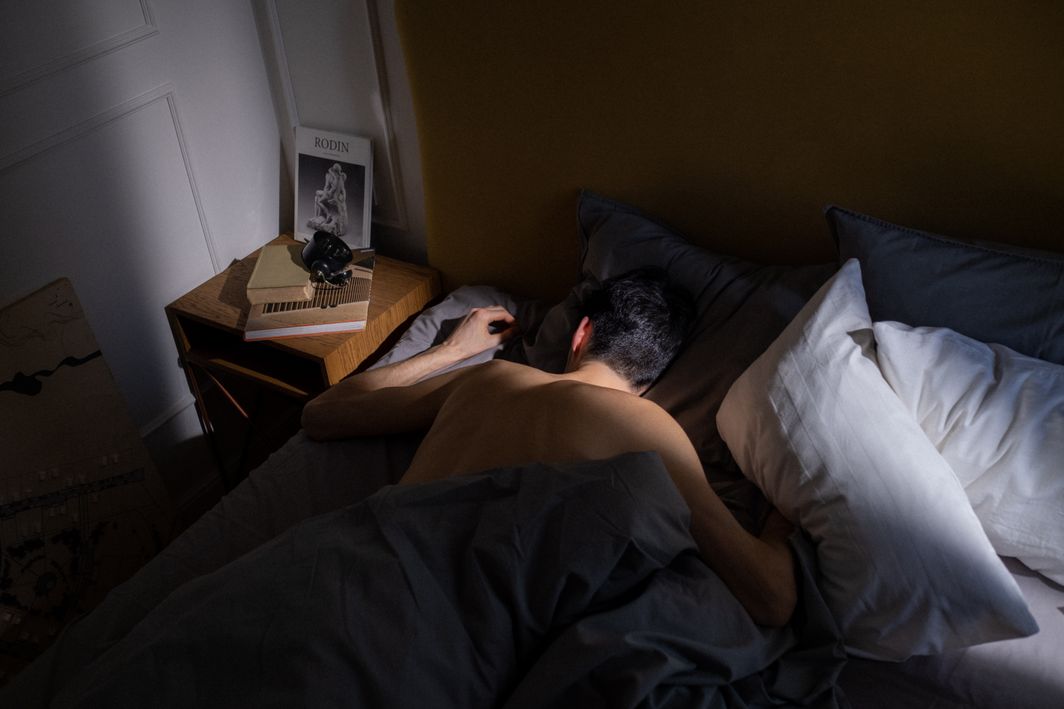
The evidence for mouth taping is strongest, and safest, in confirmed nasal breathers with only mild snoring. Photo: Pexels
The Real Risks
The same 2025 systematic review that found mixed effectiveness data also raised a specific safety concern: four of the ten reviewed studies explicitly discussed the risk of asphyxiation from oral occlusion in the presence of nasal obstruction or if the sleeper experiences regurgitation or vomiting during the night. Because the body’s normal, protective response to insufficient nasal airflow is to open the mouth, taping deliberately overrides that safety mechanism. Other documented risks include skin irritation and, less commonly, contact dermatitis or allergic reaction to the adhesive, along with genuine anxiety or a claustrophobic reaction for some people when their mouth is restricted during sleep.
Who Should Never Try This Without Medical Guidance
- Anyone with diagnosed or suspected obstructive sleep apnea who is not already using CPAP therapy, since taping can worsen breathing disruptions rather than improve them, and can interfere with CPAP function if used together without guidance.
- Anyone with chronic nasal congestion or a structural nasal obstruction, such as a deviated septum or turbinate hypertrophy, since this is precisely the population at highest asphyxiation risk if the mouth is also blocked.
- People with respiratory conditions like asthma or COPD, unless specifically advised by a doctor.
- Children, who should not have mouth taping used on them outside of specific medical supervision, since restricting an already-developing airway carries added risk.
- Anyone prone to nausea, reflux, or vomiting during sleep, given the aspiration risk if the mouth is taped shut.
- People with anxiety or panic disorders, since the sensation of restricted breathing can trigger a panic response.
Nasal strips, humidifiers, and side-sleeping pillows as gentler alternatives to mouth taping.
If You Still Want to Try It: Doing It More Safely
For adults who can already comfortably breathe through their nose while awake, have no diagnosed sleep apnea, and want to cautiously trial mouth taping, a few precautions reduce (though don’t eliminate) the risk. Use tape specifically designed for mouth taping, which is porous and gentle on skin, never household or industrial tape, which can cause skin damage on removal and doesn’t allow any airflow if nasal breathing becomes difficult. Start with a partial method, such as tape placed vertically over just the center of the lips rather than sealing the entire mouth, which still discourages full mouth breathing while leaving an emergency opening at the corners. Try it for a short nap or the early part of the night first, rather than committing to a full eight hours immediately, so you can gauge your own reaction before relying on it for a full night’s sleep. If you experience any difficulty breathing, anxiety, or skin irritation, stop the practice and speak with a doctor rather than pushing through discomfort, since these are exactly the warning signs the clinical literature flags as reasons for caution.
Safer Alternatives Worth Trying First
If your goal is reducing snoring or mouth breathing, several better-evidenced and lower-risk options are worth trying before mouth tape:
- Side sleeping. Decades of research consistently show that people, with or without obstructive sleep apnea, snore less when sleeping on their side rather than their back, since back sleeping allows the tongue and soft palate to collapse toward the airway.
- Nasal strips, which mechanically widen the nostrils externally without covering or restricting the mouth, carrying essentially none of the asphyxiation risk associated with taping.
- Treating nasal congestion directly, whether through allergy management, a saline rinse, or an ENT evaluation for structural issues, addresses the root cause of mouth breathing rather than overriding the body’s response to it.
- Myofunctional (mouth and throat) exercises, which have genuine evidence for reducing snoring and mild sleep apnea severity over time by improving tongue posture and throat muscle tone, unlike a passive strip of tape.
- A proper sleep apnea evaluation if snoring is loud, frequent, or accompanied by daytime fatigue or witnessed breathing pauses, since CPAP therapy and other clinically validated treatments exist and are far better studied than mouth taping.
Frequently Asked Questions
Is mouth taping safe for everyone?
No. It carries a documented risk of worsening breathing in people with obstructive sleep apnea or nasal obstruction, and a genuine asphyxiation risk has been raised in the clinical literature for people with nasal blockage or a tendency toward nighttime vomiting. It should not be used without medical guidance in these groups.
Can mouth taping cure sleep apnea?
No. Mouth taping is not a proven or recommended treatment for sleep apnea and should never replace evidence-based treatments like CPAP therapy. In some cases it can worsen breathing disruptions rather than improve them.
Does mouth taping actually reduce snoring?
The evidence is mixed. Some studies and a large retrospective survey report reduced snoring, particularly in people who can already breathe comfortably through their nose with only mild snoring, but a 2025 systematic review found only two of ten studies showed meaningful improvement in objective sleep apnea and breathing measures.
What tape should I use if I try mouth taping?
Use tape specifically designed for the purpose, which is porous, skin-safe, and gentle to remove. Household tape, duct tape, or other non-porous adhesives should never be used, since they don’t allow airflow and can cause skin damage.
References:
Leave a Reply