

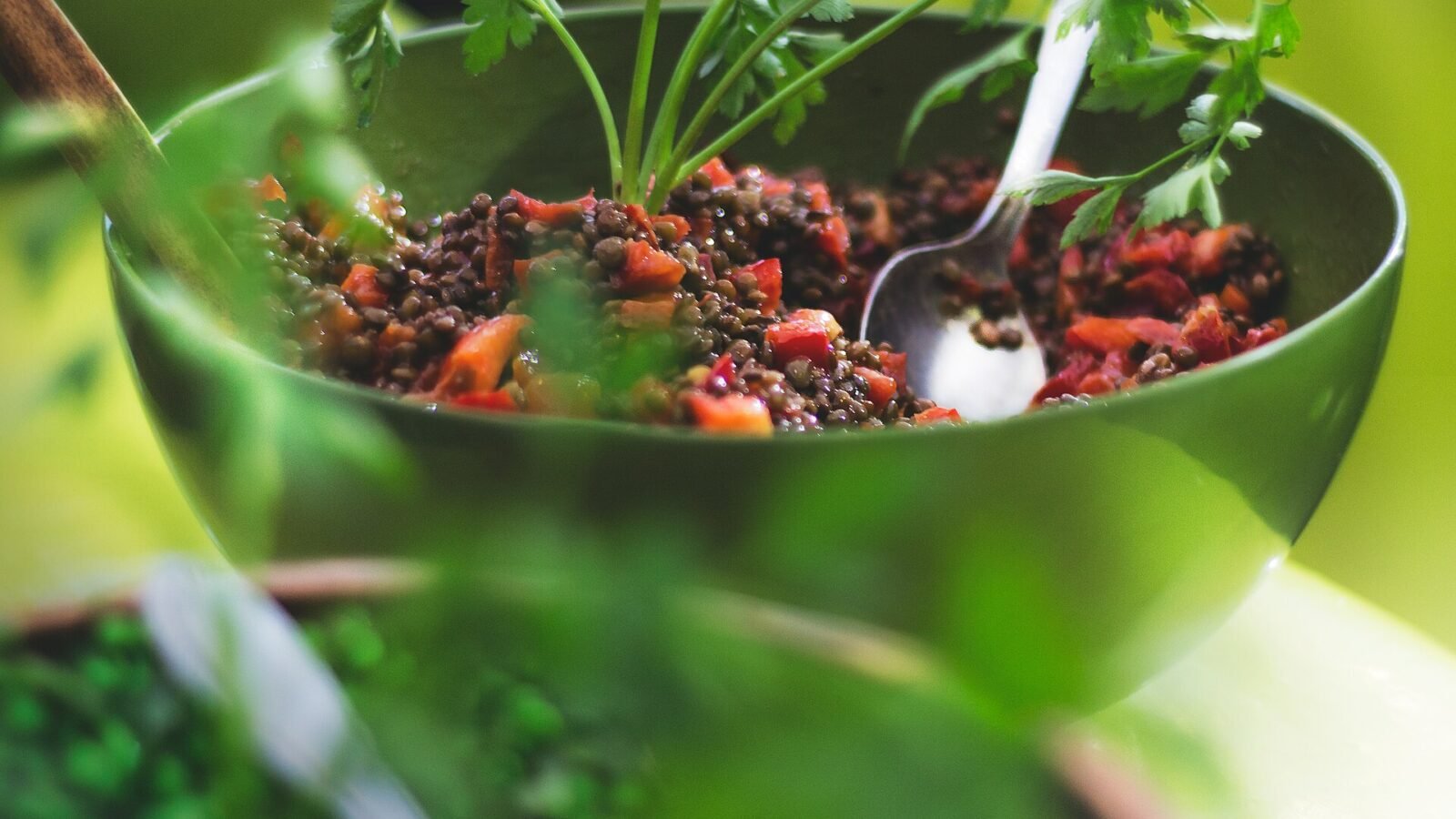
There is no endometriosis diet that cures the condition, but some eating patterns may help manage symptoms alongside medical treatment. An anti-inflammatory, Mediterranean-style diet rich in vegetables, fruit, whole grains, legumes and omega-3 fats is the best-supported option; evidence for cutting gluten or dairy is limited and mixed. Diet is an adjunct, not a replacement for gynecological care.
Endometriosis is a chronic inflammatory condition in which tissue similar to the lining of the uterus grows outside it, causing pain, heavy periods, fatigue and sometimes fertility problems. The World Health Organization estimates it affects roughly one in ten women and girls of reproductive age. Diagnosis is often delayed, and living with unpredictable pain is exhausting.
It is understandable that people search for a dietary fix. Some foods and eating patterns are genuinely worth trying, but the internet often oversells restrictive elimination diets that are hard to sustain and can cause nutrient gaps. This guide explains what the evidence supports, what remains uncertain, and how to eat well in an Indian vegetarian context without turning food into another source of stress or guilt.
Medical Disclaimer: This article is for informational and educational purposes only and does not constitute medical advice. Always consult a qualified healthcare professional before making changes to your diet, supplements, exercise or treatment plan.
What Is Endometriosis?
In endometriosis, tissue similar to the endometrium grows in places such as the ovaries, fallopian tubes, bowel or pelvic lining. This tissue responds to hormonal cycles, bleeding and inflaming surrounding areas. The result can be severe pelvic pain, painful periods, pain during sex, heavy bleeding, bloating and fatigue.
Symptoms vary widely. Some people have intense pain with little visible disease, while others have extensive lesions and fewer symptoms. Diagnosis may involve clinical assessment, imaging and sometimes laparoscopy. Treatment options include pain relief, hormonal therapies and surgery, chosen with a gynecologist based on symptoms, fertility goals and preferences.
Diet cannot remove lesions or replace these treatments. What it can do is influence inflammation, gut health, body weight and overall wellbeing, which may in turn affect how symptoms are experienced.
Why Diet Matters, and Why It Is Not a Cure
Endometriosis involves chronic inflammation, oxidative stress and immune activity. Diet can nudge some of these processes. A higher-fibre, plant-forward pattern supports a healthy gut microbiome, which is relevant because inflammation and estrogen metabolism are partly influenced by gut bacteria.
Body composition matters too. Excess body fat is associated with higher circulating estrogen and more inflammation, and weight management can reduce symptom burden for some people. But this must be handled carefully, because pain, fatigue and disordered eating risk make aggressive dieting a poor fit for many patients.
The honest summary: diet may reduce symptoms and improve quality of life for some people, especially as part of a broader plan. It is not a cure, and no single food reliably eliminates endometriosis pain.
What the Research Says
The evidence base is made up mostly of observational studies and small trials. That means findings are suggestive, not definitive.
Mediterranean-style and anti-inflammatory patterns. Several studies associate diets rich in vegetables, fruit, whole grains, legumes, nuts, olive oil and fish with lower endometriosis risk and, in some cohorts, less pain. Because these studies cannot prove cause and effect, researchers describe the relationship as promising but not conclusive.
Omega-3 fats. Omega-3 fatty acids from fish, flaxseed, chia and walnuts may reduce inflammatory signalling. Small trials in pelvic pain and dysmenorrhoea have shown modest pain reductions, and some researchers have explored omega-3 for endometriosis-related pain. Effects are generally small and short-term, and our overview of omega-3 benefits covers the wider evidence.
Fibre. Higher fibre intake is linked with lower estrogen levels and better gut health in observational work. Fibre-rich foods also help with constipation, which can worsen pelvic pain. This overlaps with the general case for eating more fibre.
Red and processed meat, and trans fats. Higher intakes of red and processed meat and industrial trans fats have been associated with higher endometriosis risk in some studies. These are associations, so they should be read as reasons to moderate rather than to panic over one meal.
Gluten and dairy. This is where the internet runs ahead of the science. Some people report symptom improvement after removing gluten or dairy, and one small study suggested a gluten-free diet reduced pain in a subset of participants. However, most reviews conclude that the evidence is limited, inconsistent and insufficient to recommend routine elimination for everyone. Celiac disease and lactose intolerance are separate, diagnosable conditions that should be investigated properly if suspected.
Supplements. Vitamin D, omega-3, curcumin and some antioxidants have been studied, often in small trials. Results are mixed. Supplements can interact with medications and are not a substitute for a balanced diet. Discuss them with your clinician.
Foods to Emphasise and Limit
| Emphasise | Why | Moderate or limit |
|---|---|---|
| Vegetables and fruit | Fibre, antioxidants, anti-inflammatory compounds | Refined sugary drinks and sweets |
| Whole grains, millets, oats | Fibre and steady energy | Refined white bread and pastries |
| Dal, rajma, chana, soy | Plant protein and fibre | Processed meats and sausages |
| Flaxseed, chia, walnuts | Omega-3 (ALA) and fibre | Deep-fried snacks and vanaspati |
| Fatty fish or algae omega-3 | EPA and DHA | Excess added sugar |
| Curd, paneer (if tolerated) | Protein and calcium | Alcohol (can worsen symptoms for some) |
If you follow a plant-forward plan, get enough protein and iron. Endometriosis-related heavy bleeding raises iron needs for some people, and a low-protein vegetarian diet can leave you depleted. See our guide to high-protein vegetarian meals for ideas that hit 25 grams or more per meal.
An Indian Vegetarian Meal Context
An anti-inflammatory Indian vegetarian pattern is entirely workable using everyday foods.
- Breakfast: vegetable poha with peanuts, or oats with flaxseed, walnuts and fruit; or besan chilla with spinach.
- Lunch: dal or rajma with brown rice or millet roti, a big salad and curd.
- Snack: roasted chana, fruit, or a small handful of walnuts and seeds.
- Dinner: palak paneer or mixed vegetable sabzi with roti, plus a lentil soup.
- Flavour: turmeric, ginger, garlic and black pepper are fine and may add antioxidant value.
This kind of pattern lines up with a general anti-inflammatory diet plan and with anti-inflammatory foods such as leafy greens, berries, fatty fish, nuts and legumes. Cooking methods matter too: grilling, steaming, sautéing and pressure cooking beat deep-frying and reusing oil repeatedly.
For people who also have PCOS, the advice overlaps but is not identical, especially around insulin resistance. Our PCOS diet plan covers blood-sugar-focused strategies.
Risks of Restrictive Elimination Diets
Elimination diets are popular but carry real downsides.
- Nutrient gaps. Cutting dairy, gluten and multiple food groups without planning can lower calcium, vitamin D, B vitamins, iron and protein.
- Disordered eating. Chronic pain and food-tracking can trigger or worsen restrictive eating patterns and anxiety around food.
- Delay in care. Believing diet will fix endometriosis can postpone effective medical or surgical treatment.
- Unsustainable rules. Very strict protocols are hard to maintain, and the resulting guilt and cycling are worse than a moderate, consistent pattern.
- Misattribution. Endometriosis symptoms fluctuate naturally, so it is easy to credit or blame the wrong food.
If you want to test a food trigger, do it one change at a time for several weeks and record symptoms objectively. A dietitian can help design a trial that keeps nutrients adequate.
Practical Recommendations
- Build meals around vegetables, whole grains, legumes and nuts, with fish or plant omega-3 sources several times a week.
- Increase fibre gradually to avoid bloating, and drink enough water.
- Limit deep-fried food, processed meat, added sugar and alcohol rather than banning them completely.
- Keep a simple symptom and cycle diary to see patterns in pain, bloating and bleeding.
- Prioritise protein and iron if bleeding is heavy, and consider checking ferritin with your doctor.
- Do not eliminate gluten or dairy long-term without a clinician’s input and a plan to replace lost nutrients.
- Combine dietary changes with medical treatment, physiotherapy and, if needed, pain-management support.
Who Should Be Cautious
- Pregnant women or those trying to conceive, who should not start restrictive diets without medical guidance.
- People with a history of eating disorders, for whom food tracking can be harmful.
- People with anemia or low body weight, who risk worsening nutrient status.
- Those with diabetes, kidney disease or other conditions requiring specific diets, where changes should be supervised.
- Anyone taking hormonal therapy, blood thinners or regular pain medication, since diet and supplements can interact.
Hormone-related conditions such as PCOS and perimenopause also involve symptom patterns that overlap with endometriosis. Our guide to managing perimenopause symptoms and to balancing hormones naturally may be useful, but any suspected endometriosis needs a gynecological diagnosis first.
When to Seek Professional Medical Advice
See a gynecologist if you have severe period pain that disrupts daily life, pain during sex, painful bowel or bladder movements during periods, heavy bleeding, or difficulty conceiving. Seek urgent care for sudden severe pelvic pain, fainting or fever, which can signal other emergencies.
Ask about a referral to a dietitian if you want to change your diet substantially, especially if you are considering eliminating gluten, dairy or multiple food groups. Diet changes work best as part of a coordinated treatment plan, not as a solo experiment.
Frequently Asked Questions
Can diet cure endometriosis?
No. There is no diet that removes endometriosis lesions or cures the condition. Some eating patterns may reduce inflammation and symptoms and improve quality of life, but medical and surgical treatment remains central.
What is the best diet for endometriosis?
An anti-inflammatory, Mediterranean-style pattern with plenty of vegetables, fruit, whole grains, legumes, nuts and omega-3 fats has the most supportive evidence. It is a reasonable default rather than a rigid protocol.
Should I go gluten-free for endometriosis?
The evidence is limited and mixed. Some people report improvement, but routine gluten elimination is not supported for everyone. If you suspect celiac disease, get tested before removing gluten.
Does dairy make endometriosis worse?
There is no consistent evidence that dairy worsens endometriosis. If you notice symptoms after dairy, discuss it with a clinician, and make sure you replace calcium and protein if you cut back.
Which foods should I limit?
Moderate deep-fried foods, processed and red meats, added sugar and alcohol. These are associated with more inflammation and, in some studies, higher endometriosis risk.
Can weight loss help endometriosis symptoms?
For some people, losing excess weight may reduce inflammation and symptom burden, but aggressive dieting is not appropriate for everyone. It should be done sensibly and ideally with professional support.
Do supplements help endometriosis?
Small studies have looked at vitamin D, omega-3, curcumin and antioxidants, with mixed results. Supplements are not a substitute for treatment and may interact with medication, so ask your doctor.
How long before diet changes affect symptoms?
Give consistent changes about eight to twelve weeks while tracking symptoms. Endometriosis symptoms fluctuate naturally, so a diary helps separate real patterns from normal variation.
References
- World Health Organization. “Endometriosis.” WHO Fact Sheet, 2023. https://www.who.int/news-room/fact-sheets/detail/endometriosis
- American College of Obstetricians and Gynecologists. “Endometriosis.” https://www.acog.org/womens-health/faqs/endometriosis
- National Health Service (UK). “Endometriosis.” https://www.nhs.uk/conditions/endometriosis/
- Eunice Kennedy Shriver National Institute of Child Health and Human Development. “Endometriosis.” https://www.nichd.nih.gov/health/topics/endometriosis
- MedlinePlus. “Endometriosis.” https://medlineplus.gov/endometriosis.html
- National Institutes of Health, Office of Dietary Supplements. “Omega-3 Fatty Acids.” https://ods.od.nih.gov/factsheets/Omega3FattyAcids-Consumer/
- PubMed search. “Diet and endometriosis.” https://pubmed.ncbi.nlm.nih.gov/?term=endometriosis+diet
Related Reading:
- PCOS Diet Plan
- Anti-Inflammatory Diet: 7-Day Meal Plan
- Best Anti-Inflammatory Foods
- How to Balance Hormones Naturally
- Perimenopause Symptoms and Natural Management
- High-Protein Vegetarian Meals
Not sure exactly how far along you are?
Use our free due date calculator to find your current week, trimester, and days to go.
Calculate My Due Date →
Leave a Reply