
Ten years ago, the gut microbiome was a niche interest in academic gastroenterology. Today, it sits at the frontier of virtually every major disease research area — from metabolic health and immunity to mental health, autoimmunity, and cancer. The shift in scientific understanding has been seismic.
Your gastrointestinal tract houses roughly 38 trillion microorganisms — bacteria, viruses, fungi, and archaea — that collectively constitute your gut microbiome. These organisms weigh approximately 1–2kg and perform functions so extensive that many researchers now refer to the microbiome as an "essential organ" — one that you didn't inherit genetically, but that you shape through the choices you make every day.
This guide explains what gut health actually is, how the microbiome influences your physical and mental wellbeing, what damages it, and — most importantly — what you can do to restore and optimise it.
1. What Is Gut Health — And Why Does It Control So Much?
The term "gut health" encompasses several distinct but interconnected factors:
- Microbiome diversity: The number of different microbial species present. Greater diversity is consistently associated with better health outcomes.
- Microbial balance: The ratio of beneficial to potentially harmful species.
- Gut barrier integrity: The health of the single-cell-thick intestinal lining that separates your gut contents from your bloodstream.
- Gut motility: How efficiently food moves through the digestive system.
- Digestive capacity: Your ability to break down and absorb nutrients effectively.
The microbiome influences health through several primary mechanisms:
Immune System Regulation
Approximately 70–80% of your immune system is housed in the gut — in the gut-associated lymphoid tissue (GALT). The microbiome educates and modulates immune responses from early life, influencing allergic responses, autoimmunity, and inflammatory set-points throughout adulthood.
Neurotransmitter Production
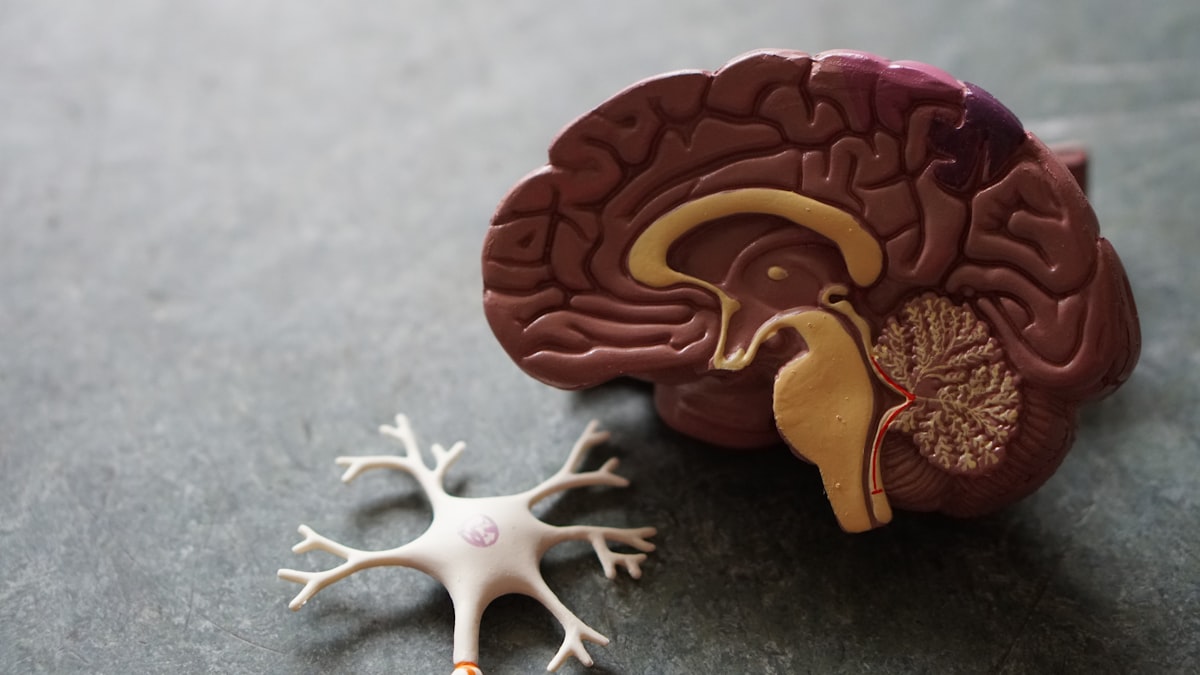
The gut produces 95% of the body's serotonin, along with GABA, dopamine precursors, and short-chain fatty acids that influence brain function through the gut-brain axis. The vagus nerve — a major information superhighway between gut and brain — carries signals predominantly from gut to brain (80% ascending), explaining why gut states influence mood, cognition, and behaviour so profoundly.
Metabolic Regulation
Gut bacteria regulate how calories are extracted from food, how fat is stored, how insulin sensitivity is maintained, and how appetite hormones (leptin, ghrelin, GLP-1) are secreted. Germ-free mice — which have no microbiome — remain lean even when fed high-fat diets. The same diet produces obesity in mice with normal microbiomes — illustrating the microbiome's role in metabolic outcome.

2. Signs of Poor Gut Health
Poor gut health manifests in diverse ways — many of which don't obviously seem gut-related:
- Frequent bloating, gas, or abdominal discomfort
- Irregular bowel movements (constipation or diarrhoea, or alternating)
- Food intolerances or sensitivities (particularly new ones)
- Chronic fatigue not explained by poor sleep or anaemia
- Skin conditions — acne, eczema, psoriasis, rosacea — often have gut microbiome components
- Frequent colds and infections (immune dysregulation)
- Brain fog, poor concentration, and mood instability
- Autoimmune conditions
- Unexplained weight changes
- Sugar cravings (potentially driven by Candida or dysbiotic bacteria that "signal" for their preferred substrate)
3. What Damages Your Microbiome
Antibiotics
Antibiotics are often necessary and life-saving. But their impact on the microbiome is significant — broad-spectrum antibiotics can reduce microbial diversity by 25–50%, with some studies showing incomplete recovery for 6+ months after a single course. When antibiotics are necessary, probiotic supplementation during and after the course (with timing separated from the antibiotic dose) helps mitigate microbiome disruption.
Ultra-Processed Foods
Emulsifiers commonly used in processed foods — carboxymethylcellulose, polysorbate-80 — have been shown in animal and human studies to disrupt mucus layers and promote inflammation. The low-fibre content of ultra-processed diets starves beneficial bacteria while creating conditions that favour dysbiotic species.
Chronic Stress
The gut-brain connection is bidirectional: just as gut dysbiosis worsens anxiety, chronic psychological stress alters microbiome composition. Stress hormones directly affect bacterial growth rates and gut motility, and reduce secretory IgA — an important first-line immune defence in the gut.
Sleep Deprivation
The gut microbiome has its own circadian rhythm — microorganisms shift their composition and activity in sync with your 24-hour biological clock. Disrupted sleep and irregular eating schedules disrupt microbial circadian patterns, contributing to dysbiosis.
Alcohol
Excess alcohol reduces the abundance of beneficial Lactobacillus and Bifidobacterium species, promotes overgrowth of gram-negative bacteria (whose lipopolysaccharide endotoxins drive systemic inflammation), and damages the gut barrier — contributing to "leaky gut."
4. Best Foods for Gut Health
Diverse Fibres: Feed Your Microbes
Different bacterial species ferment different types of fibre — which is why dietary diversity matters as much as fibre quantity. Eating 30+ different plant foods per week is associated with significantly greater microbiome diversity in the American Gut Project dataset (the largest citizen science gut microbiome study conducted).
Key prebiotic fibres and their sources:
- Inulin/FOS: Garlic, onion, chicory, artichoke
- Beta-glucan: Oats, barley, mushrooms
- Resistant starch: Cooled cooked rice/potatoes, green bananas, legumes
- Pectin: Apples, citrus fruits
- Arabinoxylan: Whole wheat, rye
Fermented Foods: Add Live Cultures
The 2021 Stanford study in Cell found that a 10-week high-fermented food diet increased microbiome diversity and reduced 19 inflammatory proteins more effectively than a high-fibre diet. Incorporate:
- Natural yogurt (live cultures, not heat-treated)
- Kefir (10x more probiotic strains than yogurt)
- Sauerkraut and kimchi (ensure refrigerated, raw versions)
- Kombucha (beneficial, but watch sugar content)
- Miso, tempeh, and natto
Polyphenol-Rich Foods
Polyphenols — the plant compounds that give fruits and vegetables their colour — are selectively consumed by beneficial gut bacteria, producing postbiotics (bacterial metabolites) with wide-ranging health benefits. Particularly rich sources include berries, extra virgin olive oil, dark chocolate, green tea, and red wine in moderation.
5. Probiotics vs Prebiotics vs Postbiotics: What's the Difference?
| Term | Definition | Examples |
|---|---|---|
| Probiotics | Live beneficial microorganisms | Lactobacillus, Bifidobacterium supplements; fermented foods |
| Prebiotics | Fibre that feeds beneficial bacteria | Inulin, FOS, resistant starch, pectin |
| Synbiotics | Prebiotics + probiotics combined | Some supplements; kefir + banana |
| Postbiotics | Beneficial metabolites produced by bacteria | Butyrate, short-chain fatty acids, certain peptides |
6. Leaky Gut: What Is It and Should You Be Concerned?
"Leaky gut" — formally called intestinal hyperpermeability — refers to increased permeability of the intestinal barrier. The gut lining is a single cell thick, held together by tight junction proteins. When these junctions loosen, bacterial fragments (like lipopolysaccharide endotoxins from gram-negative bacteria) can enter the bloodstream, triggering systemic immune activation and inflammation.
Intestinal hyperpermeability is a real, measurable phenomenon increasingly associated with conditions including type 2 diabetes, autoimmune diseases, fatty liver disease, and mental health disorders. Its causes include:
- Dysbiosis (insufficient beneficial bacteria)
- Chronic alcohol consumption
- NSAIDs (aspirin, ibuprofen) used regularly
- Psychological stress
- Chemotherapy
- Zonulin dysregulation (related to gluten sensitivity in some individuals)
Interventions that restore tight junction integrity include: adequate dietary zinc, L-glutamine supplementation, butyrate (from fibre fermentation or supplementation), collagen, and resolving the underlying dysbiosis.
Frequently Asked Questions
How long does it take to improve gut health?
The gut microbiome can begin shifting composition within days of dietary changes — some studies show measurable changes within 48–72 hours of significant diet modification. However, meaningful, stable improvements in microbiome diversity and gut barrier health typically take 4–12 weeks of consistent dietary and lifestyle changes. Full recovery from significant disruption (such as post-antibiotic) may take 3–6 months.
What probiotic is best for gut health?
The "best" probiotic depends on the condition you're targeting. Multi-strain probiotics containing Lactobacillus and Bifidobacterium species have the broadest general evidence base. For IBS, Lactobacillus plantarum 299v has strong specific evidence. For post-antibiotic recovery, Saccharomyces boulardii (a beneficial yeast) is particularly effective. Food-based probiotics (kefir, kimchi, yogurt) generally provide superior strain diversity to supplements.
Can poor gut health cause anxiety and depression?
Yes — the gut-brain axis is bidirectional. Dysbiosis reduces serotonin precursor availability, increases systemic inflammation (strongly linked to depression), and alters vagal signalling. Multiple clinical studies have found correlations between gut microbiome composition and anxiety and depressive symptom severity. Interventions targeting the gut microbiome show promise as adjunctive treatments for depression and anxiety in early-stage clinical research.
Conclusion: Your Gut Health Is in Your Daily Choices
The emerging science of the gut microbiome is one of the most exciting developments in medicine in decades. What's clear is that your microbiome is not fixed — it's dynamic, responsive, and profoundly shaped by the choices you make each day.
Eat diversely. Eat fermented foods. Manage stress. Sleep adequately. Move your body. Minimise unnecessary antibiotics and medications that disrupt gut ecology. These aren't novel recommendations — they're the same principles underlying virtually every evidence-based health intervention. The microbiome gives us another compelling mechanistic explanation for why they work so profoundly.
Get our weekly nutrition and wellness guides, including a free 7-day gut reset meal plan.
Subscribe Free →



Leave a Reply