

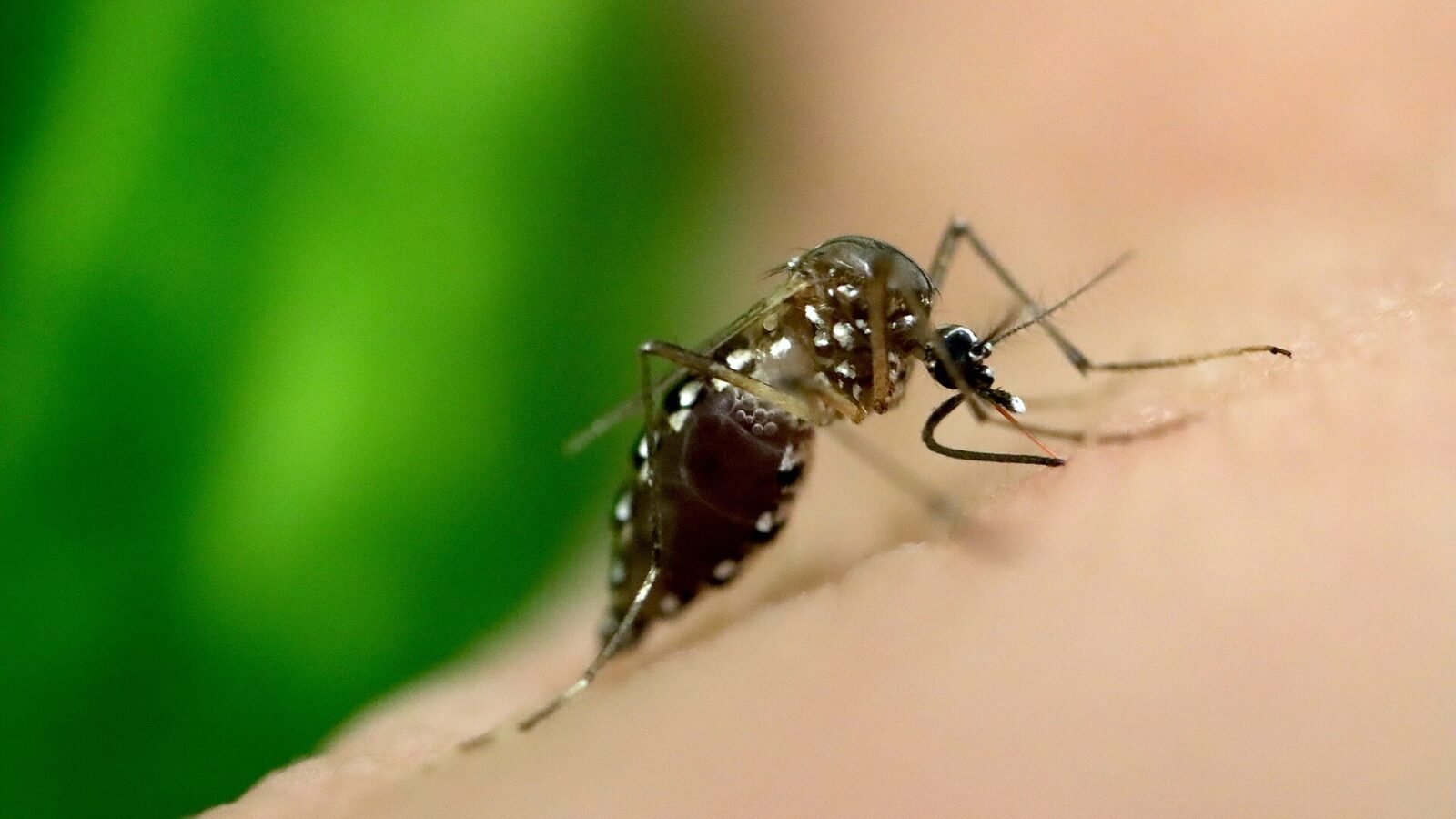
Dengue prevention means stopping the Aedes aegypti mosquito from breeding near your home and protecting yourself from its bites, especially during and after the monsoon when cases rise sharply across India. Most people recover with rest and fluids, but a small proportion develop severe dengue, which can be life-threatening. The warning signs to act on are severe abdominal pain, persistent vomiting, bleeding gums or nose, blood in vomit or stool, extreme lethargy or restlessness, and fluid accumulation.
Every year, dengue cases in India climb between July and November and often peak in the weeks after the rains. The mosquito that spreads the virus, Aedes aegypti, breeds in clean, stagnant water close to people — in water coolers, buckets, tyres, flower pots, overhead tanks and discarded containers. That makes prevention largely a household job rather than a hospital one.
This guide explains how dengue spreads, how it differs from other fevers, the warning signs that mean “seek care now,” and the practical steps that genuinely lower your risk. It also addresses popular myths about platelets and papaya leaves, and where vaccination currently stands in India.
Medical Disclaimer: This article is for informational and educational purposes only and does not constitute medical advice. Always consult a qualified healthcare professional before making changes to your diet, supplements, exercise or treatment plan.
What Dengue Is and How It Spreads
Dengue is caused by one of four related dengue viruses, spread mainly by the bite of an infected female Aedes aegypti mosquito. These mosquitoes bite most actively in the early morning and around dusk, and they prefer to live and breed indoors and in shaded areas near homes. Unlike the malaria mosquito, which breeds in dirty water, Aedes prefers clean water — which is exactly why stored drinking water and coolers are such common breeding sites in Indian homes.
You cannot catch dengue directly from another person through casual contact. The virus travels from an infected person to a mosquito, and that mosquito can then infect others. This is why a single case in a neighbourhood can seed several more if standing water is left unchecked.
According to the World Health Organization, the global incidence of dengue has grown dramatically in recent decades, and the disease is now endemic in more than 100 countries. In India, the National Center for Vector Borne Diseases Control tracks seasonal surges, and health authorities consistently emphasise source reduction — eliminating breeding sites — as the foundation of control.
Symptoms vs Warning Signs
Dengue typically begins three to fourteen days after the bite. The classic picture is a sudden high fever, severe headache, pain behind the eyes, muscle and joint pain (sometimes called “breakbone fever”), nausea, and a skin rash. Many people feel miserable for about a week but recover.
The critical point is that the most dangerous phase is not when the fever is highest. Severe dengue often develops as the fever is falling, usually around day three to day seven of illness. This is when plasma leakage, bleeding and organ involvement can occur. A patient who seems to be improving can deteriorate quickly, so the days after the fever drops deserve close attention.
The table below separates common symptoms from the warning signs that should prompt urgent medical review.
| Category | Typical signs | What it means |
|---|---|---|
| Common symptoms | High fever, headache, eye pain, muscle and joint aches, rash, nausea, fatigue | Likely dengue; confirm with a doctor and monitor closely |
| Warning signs | Severe abdominal pain, persistent vomiting, bleeding gums or nose, blood in vomit or stool, extreme weakness, restlessness, clammy skin | Needs same-day medical assessment; hospital care may be required |
| Severe dengue | Fluid accumulation, breathing difficulty, organ impairment, shock | Medical emergency; immediate hospital treatment |
Recognizing Severe Dengue
The WHO uses specific warning signs to identify patients at higher risk of severe dengue. These include abdominal pain or tenderness that is severe, persistent vomiting, clinical fluid accumulation such as ascites or pleural effusion, mucosal bleeding (gums, nose, or vomit), lethargy or restlessness, and an enlarged liver. A rise in haematocrit combined with a rapid fall in platelets can also signal leakage of fluid from blood vessels.
Untreated severe dengue can progress to Dengue Shock Syndrome, when blood pressure drops dangerously. This is why a person whose fever has broken but who becomes very lethargic, cold and clammy, or is vomiting continuously should be taken to a hospital without delay. Do not wait for a blood test result if warning signs are present — clinical judgement matters more than a platelet number.
Who is at higher risk
Infants, older adults, pregnant women, and people with diabetes, hypertension, kidney disease or weakened immunity may be at greater risk of complications. A second dengue infection with a different serotype also tends to carry a higher risk of severe disease. If you fall into any of these groups, seek medical advice early rather than self-managing at home.
Dengue Prevention at Home
The single most effective dengue prevention measure is eliminating the standing water where mosquitoes lay eggs. Aedes eggs can survive drying for months and hatch when water returns, so a weekly clean-up matters far more than a single effort.
- Empty and scrub water coolers weekly, and dry them in the sun before refilling.
- Cover overhead tanks, drums and buckets, and never leave stored water open.
- Remove or drill holes in discarded tyres, coconut shells, broken pots and plastic containers.
- Change water in flower vases, plant saucers and pet bowls at least once a week.
- Clear roof gutters and drains so rainwater does not collect.
- Fill tree holes and hollows in compound walls where water can sit.
Source reduction works best when neighbours act together, because mosquitoes travel only a few hundred metres. Community clean-up drives around the post-monsoon period can meaningfully reduce local mosquito populations.
Personal Protection: Repellents, Clothing and Screens
Because Aedes bites during the day, protection is not only about night-time nets. Mosquito nets are still useful for infants and for daytime naps, but layered protection works better.
- Repellents: Products containing DEET, picaridin or IR3535 are effective when applied to exposed skin. Follow label instructions, avoid the eyes and mouth, and reapply as directed. For young children, use lower concentrations and apply to clothing rather than their hands.
- Clothing: Wear light-coloured, loose, full-sleeved shirts and full-length trousers, especially during peak biting hours in the morning and evening.
- Screens and nets: Use window and door screens, and keep them in good repair. This reduces indoor biting substantially.
- Indoor sprays and coils: These can reduce mosquitoes indoors but should be used with ventilation and are not a substitute for removing breeding sites.
Medicines to Avoid and Supportive Care
One of the most important safety messages in dengue is about painkillers. Aspirin, ibuprofen, naproxen and other non-steroidal anti-inflammatory drugs (NSAIDs) can increase the risk of bleeding and are generally avoided when dengue is suspected. Paracetamol (acetaminophen) is the usual choice for fever and pain, taken only at recommended doses, because excessive paracetamol can harm the liver.
Avoid taking any medicine — including antibiotics, which do not treat a viral illness — without medical advice. There is no specific antiviral cure for dengue; supportive care is the treatment.
Hydration is central. Fever, vomiting and reduced intake can lead to dehydration, so drink oral fluids frequently — water, ORS, fresh juices, coconut water and soups. Watch for signs of dehydration, and seek help early if you cannot keep fluids down or are passing very little urine.
Platelet Myths and Papaya Leaf
A great deal of misinformation surrounds platelet counts. Platelets often fall during dengue, which sounds alarming, but the count alone does not define severity. Doctors look at the whole clinical picture, including warning signs and haematocrit trends. Chasing a platelet target, or rushing for platelet transfusions without a medical indication, is not helpful and can carry its own risks.
Papaya leaf extract is widely promoted to raise platelets. The evidence here is genuinely weak. Small and often low-quality trials have reported mixed results, and reviews have not found reliable, high-quality evidence that papaya leaf changes clinical outcomes. It is not a substitute for medical monitoring, and should never delay proper care.
Another common myth is that a specific food or home remedy “cures” dengue. No food, juice or supplement does. Rest, fluids, monitoring and prompt care when warning signs appear remain the foundation.
Where Vaccination Stands
Dengue vaccines exist, but the picture is nuanced. The WHO has issued recommendations for certain vaccine products, with guidance shaped by factors such as age, prior infection and local epidemiology. In India, the Indian Council of Medical Research and national regulators have been cautious, and vaccination is not a blanket prevention tool for everyone. Availability, eligibility and timing are best discussed with a healthcare professional, particularly because the risk-benefit balance differs for people who have never had dengue versus those who have.
Vaccination does not replace mosquito control. Even where it is appropriate, source reduction and personal protection remain essential.
When to Seek Professional Medical Advice
See a doctor promptly if you have a fever with severe headache, eye pain, muscle or joint pain, nausea or rash, especially during a known dengue outbreak. Go to an emergency department immediately if any of the following appear:
- Severe abdominal pain or tenderness
- Persistent vomiting and inability to keep fluids down
- Bleeding gums, nosebleeds, or blood in vomit or stool
- Extreme lethargy, confusion, restlessness, or fainting
- Cold, clammy skin or difficulty breathing
- Very little urine output or signs of dehydration
Do not wait for a particular platelet number before seeking emergency care. Warning signs are the trigger.
Frequently Asked Questions
How can I prevent dengue at home most effectively?
Eliminate standing water every week, cover all stored water, and use repellents and screens. Source reduction is the single most effective step because it targets where the mosquito breeds.
Is dengue spread from person to person?
Not through casual contact. It spreads when a mosquito bites an infected person and later bites someone else. Isolation of patients is not required in the way it is for airborne infections, but preventing mosquito bites around a sick person helps stop onward transmission.
Can I take ibuprofen or aspirin for dengue fever?
These are generally avoided because they can increase bleeding risk. Paracetamol is usually preferred for fever and pain, at recommended doses, under medical guidance.
Does papaya leaf juice increase platelets?
Evidence is weak and mixed. It should not replace medical monitoring or treatment, and it should never delay care if warning signs appear.
When does dengue become dangerous?
Often as the fever is falling, around day three to day seven. Watch for severe abdominal pain, persistent vomiting, bleeding, lethargy, and fluid accumulation.
Is there a dengue vaccine in India?
Vaccine products exist and WHO has issued recommendations for some, but Indian authorities have taken a cautious approach. Eligibility and timing should be discussed with a doctor.
How long does dengue last?
Most people recover in about one to two weeks, though fatigue can linger. Severe dengue can develop during the critical phase and requires hospital care.
Can I prevent dengue by taking a supplement?
No supplement prevents dengue. Prevention depends on mosquito control, personal protection and, where appropriate, vaccination.
References
- World Health Organization. “Dengue and severe dengue.” WHO Fact Sheet. https://www.who.int/news-room/fact-sheets/detail/dengue-and-severe-dengue
- Centers for Disease Control and Prevention. “Dengue.” https://www.cdc.gov/dengue/
- National Health Service (UK). “Dengue.” https://www.nhs.uk/conditions/dengue/
- MedlinePlus (U.S. National Library of Medicine). “Dengue.” https://medlineplus.gov/dengue.html
- Indian Council of Medical Research. “Dengue.” https://www.icmr.gov.in/
- Centers for Disease Control and Prevention. “Mosquitoes.” https://www.cdc.gov/mosquitoes/
- National Center for Vector Borne Diseases Control, Ministry of Health and Family Welfare, India. “Dengue.” https://ncvbdc.mohfw.gov.in/
Related Reading:




Leave a Reply